Sound bath, sound healing, and sound therapy describe distinct experiences.
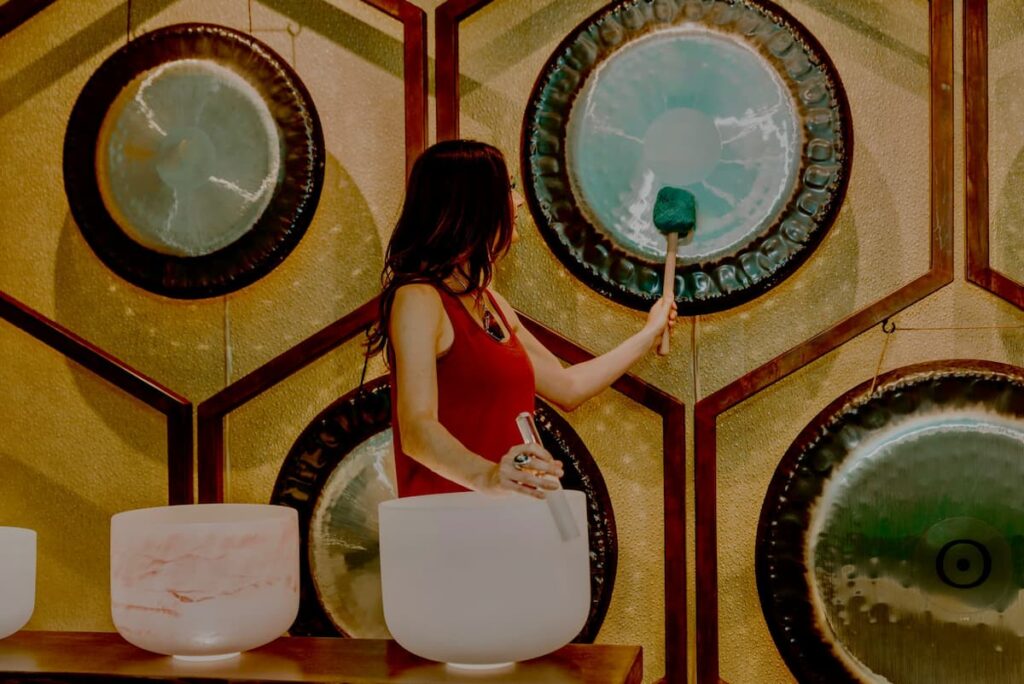
A sound bath is a group experience. Participants lie down and listen to live instruments played in the room.
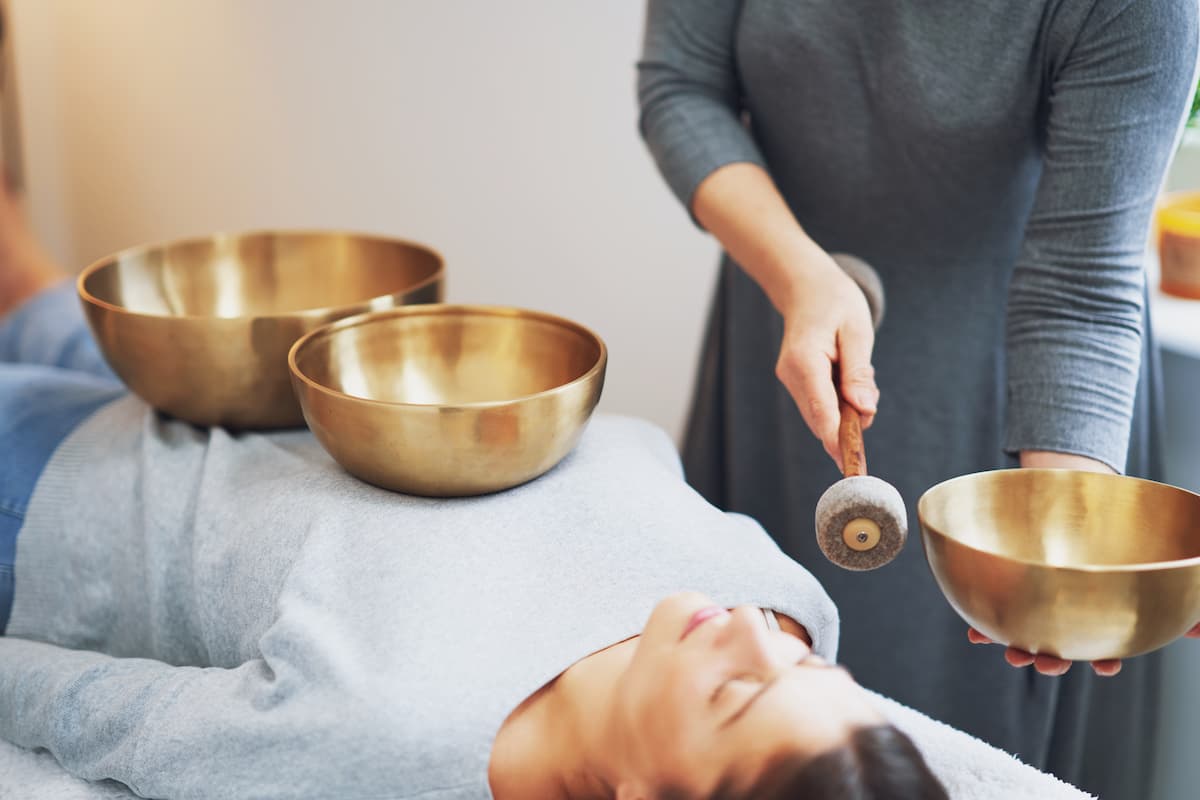
Sound healing is a private, one-on-one session in which instruments are played intuitively on or around a client’s body.
Sound therapy is also a private, one-on-one session, but uses a structured protocol rather than an intuitive approach.
If you are trying to decide which type of training to pursue, the distinction matters. Someone who completes a sound bath training will not be prepared to offer private sound healing or sound therapy sessions. Someone who completes a sound healing training will not learn what they need to lead group sound bath events. Choosing the wrong course means starting over with a new training. How to choose a sound bath training.
Sound Bath Training: Leading Group Events
A sound bath certification course teaches you how to plan and lead live group events using instruments such as crystal singing bowls, gongs, chimes, or drums. The experience is designed for groups. Participants lie down, close their eyes, and listen. The instruments are played in the room, not on individual bodies, and the experience is not focused on any one person’s specific needs or issues.
A comprehensive sound bath course covers how to play instruments, blend sounds musically, structure a sound bath from start to finish, and facilitate events. The goal is a consistent, professional experience that people want to return to.
Who this is for: Anyone who wants to lead group sound events, whether independently, inside a yoga studio, wellness center, or retreat setting, or as an addition to an existing wellness practice.
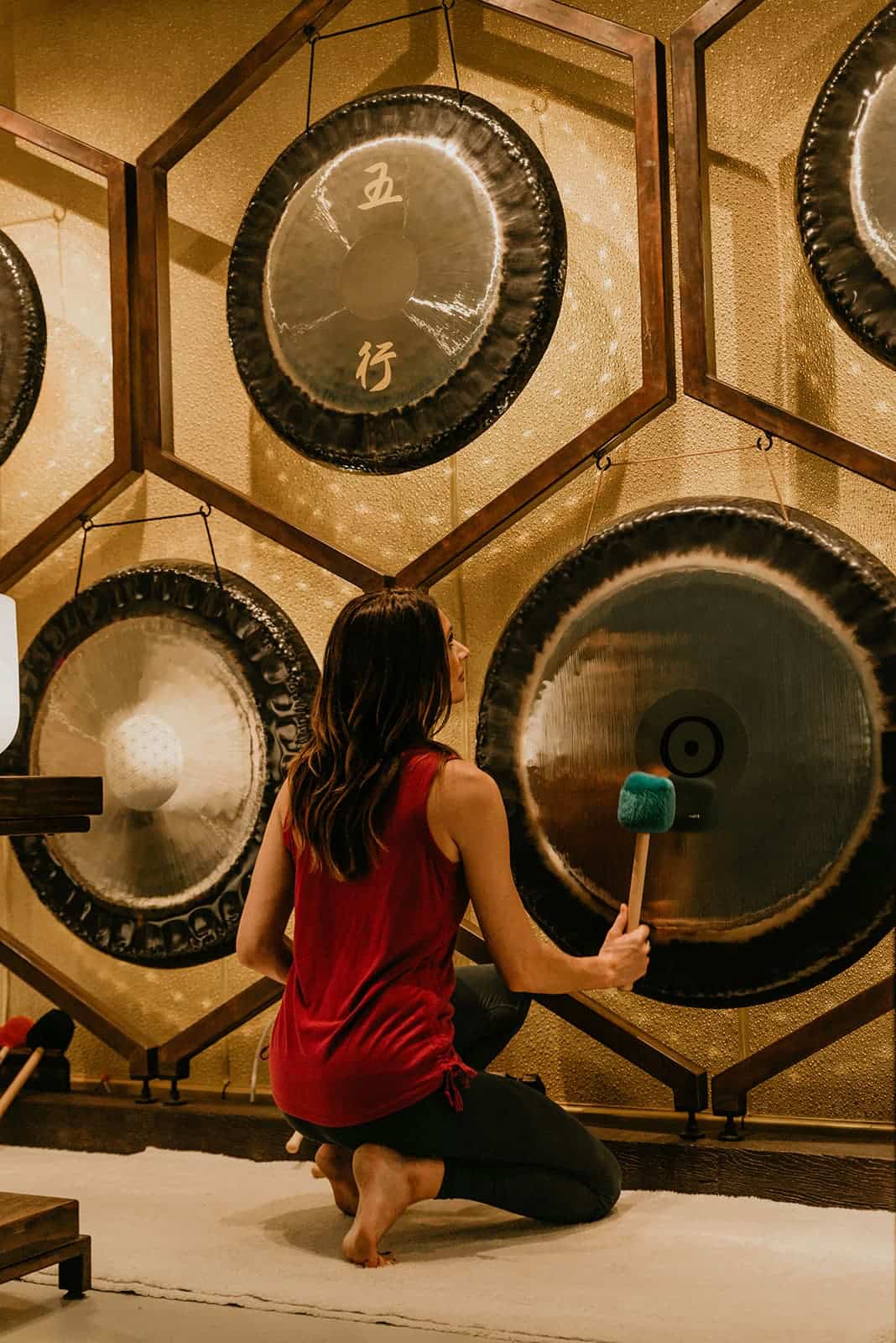
What to look for in a course: Make sure the training covers the instruments you want to use. Most sound bath courses teach how to use crystal singing bowls, but not all cover how to play gongs. Or, it may only cover them briefly. If gongs matter to you, confirm they are included and that the teacher has real professional experience playing them, not just a passing familiarity.
Practitioner title: The general term is “Sound Bath Practitioner.” Certification programs may award a specific title upon completion. Our students, for example, earn the title of “Certified Soundbath Player™” upon completing the Group Soundbath Player™ Course. 8 things every sound bath training should teach.
Sound Healing Training: Intuitive One-on-One Sessions
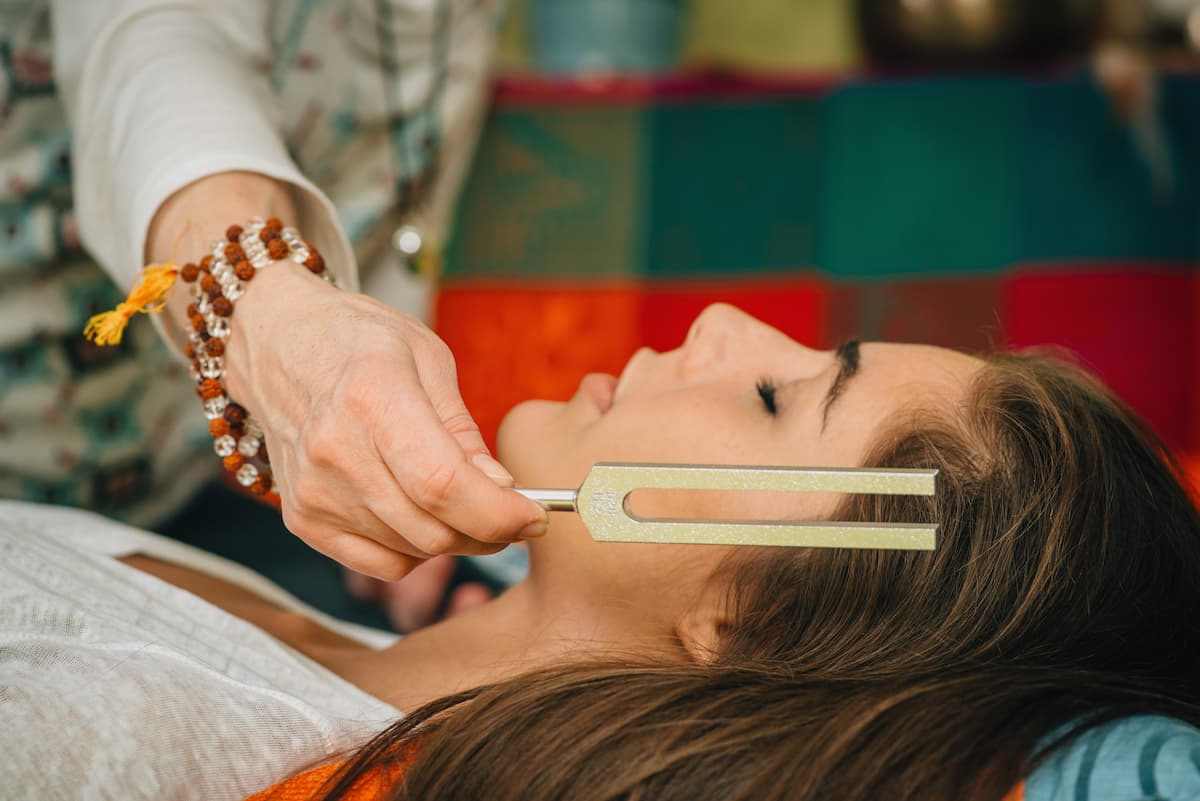
Sound healing training focuses on private, individual sessions. Instruments such as Himalayan singing bowls (often mislabeled as Tibetan singing bowls) or tuning forks are often placed directly on or near the client’s body to address emotional or physical concerns. Crystal singing bowls or gongs may also appear in these courses, but they are not usually the primary focus.
Sound healing courses tend to emphasize an intuitive approach. There is typically a loose structure, and the work is often combined with other practices such as Reiki, chakra balancing, or energy work.
One thing worth knowing before choosing this path: when people talk about sound “healing,” they usually mean supporting emotional or energetic wellbeing, not treating physical conditions. Some sellers of sound instruments claim that specific frequencies can heal specific health problems, but there is no scientific evidence to support this claim. No sound frequency has ever been proven to consistently resolve a specific physical condition. If a course makes those kinds of claims, treat that as a warning sign rather than a selling point.
Who this is for: Anyone interested in offering personalized, one-on-one sessions with a flexible, intuitive approach.
What to look for in a course: Make sure the training includes the instruments you plan to use and is clear about what “healing” means in their context.
Practitioner title: The most common title is “Sound Healer” or “Sound Healing Practitioner.” It is worth noting that this is also the most loosely used term in the field. Some people call themselves sound healers with no training at all. Also, proof of being able to heal something is not required to use the title. If you complete a certification in a specific method, that will usually be reflected in your title.
Sound Therapy Training: Structured One-on-One Sessions
Sound therapy also involves private, individual sessions, but the approach is more structured than sound healing. These programs teach clear protocols for using instruments to support relaxation or emotional well-being. The most common instruments are Himalayan singing bowls and tuning forks.
Sound therapy courses generally place less emphasis on intuition and energy work and more on repeatable, step-by-step methods. If you prefer a defined framework over an open-ended approach, sound therapy training is likely the better fit.
Who this is for: Anyone who prefers a structured, methodical approach to one-on-one sessions and wants to avoid courses built mainly around new-age philosophy.
What to look for in a course: Look for a clear methodology with defined protocols that have been developed and tested over time. The teacher should be able to explain exactly what students will be able to do after completing the training.
Practitioner title: The most common title is “Sound Therapist” or “Certified Sound Therapist.” Keep in mind that “therapist” is a regulated term in many areas. Check your local laws before using it professionally.
Practitioner Titles at a Glance
The titles used in this field lack industry-wide standards, making them easy to misread. Here is a practical summary:
Sound Healer: Someone who offers intuitive, one-on-one sessions. The word “healer” does not imply medical treatment. It is the most widely used and least consistent title in the field. It is also the term most commonly used by people with little or no formal training.
Sound Therapist: Someone who offers structured, one-on-one sessions using a defined method. Most people using this title have completed formal training. Check local regulations before using it, as “therapist” carries legal meaning in some jurisdictions.
Sound Bath Practitioner: Someone who leads group sound bath events. Most people using this title have received some training in playing instruments and facilitating group experiences.
To put it simply: sound healers and sound therapists both work one-on-one, but sound therapists follow a structured method while sound healers work intuitively. Sound bath practitioners work primarily with groups.
How to Choose the Right Training
The decision comes down to one question: how do you want to use sound in your work?
If you want to lead group events, choose a sound bath training that covers group facilitation, your preferred instruments, and a clear structure for leading events from start to finish.
If you want to offer private sessions with an intuitive, flexible approach, look for a sound healing course.
If you want to offer private sessions with a defined, step-by-step method, choose a sound therapy course.
Before enrolling in any course, read the description carefully and make sure it matches your actual goals. Look at what the teacher does regularly and professionally. A teacher who has only offered private sound healing sessions is not the right person to teach you how to lead group sound baths, and vice versa. The best teachers teach what they do, and have done it long enough to know what actually works. Do you need a training to play sound baths?
A Note on Overlap
In practice, the lines between these three paths sometimes blur. For example, some sound bath trainings include a module on one-on-one sessions, even though group facilitation is the focus. Use the definitions here as a starting point, then read each course description carefully and contact the teacher directly if anything is unclear.
If you have decided that sound bath training is the path for you, check out our Group Soundbath Player™ Certification Course.
Related reading: Online vs. In-Person Training | Can You Make a Living Playing Sound Baths?