
This question comes up regularly on social media groups: Can you actually make a living playing sound baths? The short answer is yes. But the longer answer is that many people who try do not succeed, and the reasons why are not necessarily about talent or the quality of their instruments.
This article answers what it takes to build a lasting, sound bath business. To succeed over time, you need people to come back, communicate clearly, and offer a consistently great experience. Many practitioners struggle with these areas, but those who do well make them a priority.
The Core Challenge: Getting People to Come Back
If you live in a high-traffic tourist area where you can fill a room with fifty new people every day, consistency is less of a concern. For everyone else, your business depends on repeat attendance.
This is where most sound bath businesses quietly fail. Getting someone through the door once is not that hard. Getting them to come back consistently is the actual work, and it requires a fundamentally different approach than most new sound bath practitioners take.
The practitioners who build sustainable businesses understand one thing clearly: a sound bath is not a one-time experience. Like yoga, meditation, or exercise, the real benefits come from regular practice over time. If your clients treat it as a novelty they tried once, you will spend the rest of your career constantly replacing them. If they understand why consistency matters and experience it for themselves, they become the foundation of a successful business. What length of sound bath gives results?
Why Many Sound Bath Businesses Struggle
After more than 20 years in the sound wellness field, I have seen the same patterns repeat. Here is what tends to hold back new sound bath practitioners.
They keep changing the experience.
Many practitioners constantly add new instruments, try new formats, or reinvent their sessions in search of whatever they think will attract more people. The result is that no two sound baths feel the same. Clients cannot develop a relationship with the experience, and word-of-mouth becomes vague. Consistency is what builds trust. When people know what to expect and find it consistently good, they return and bring others.
They do not learn to play their instruments well.
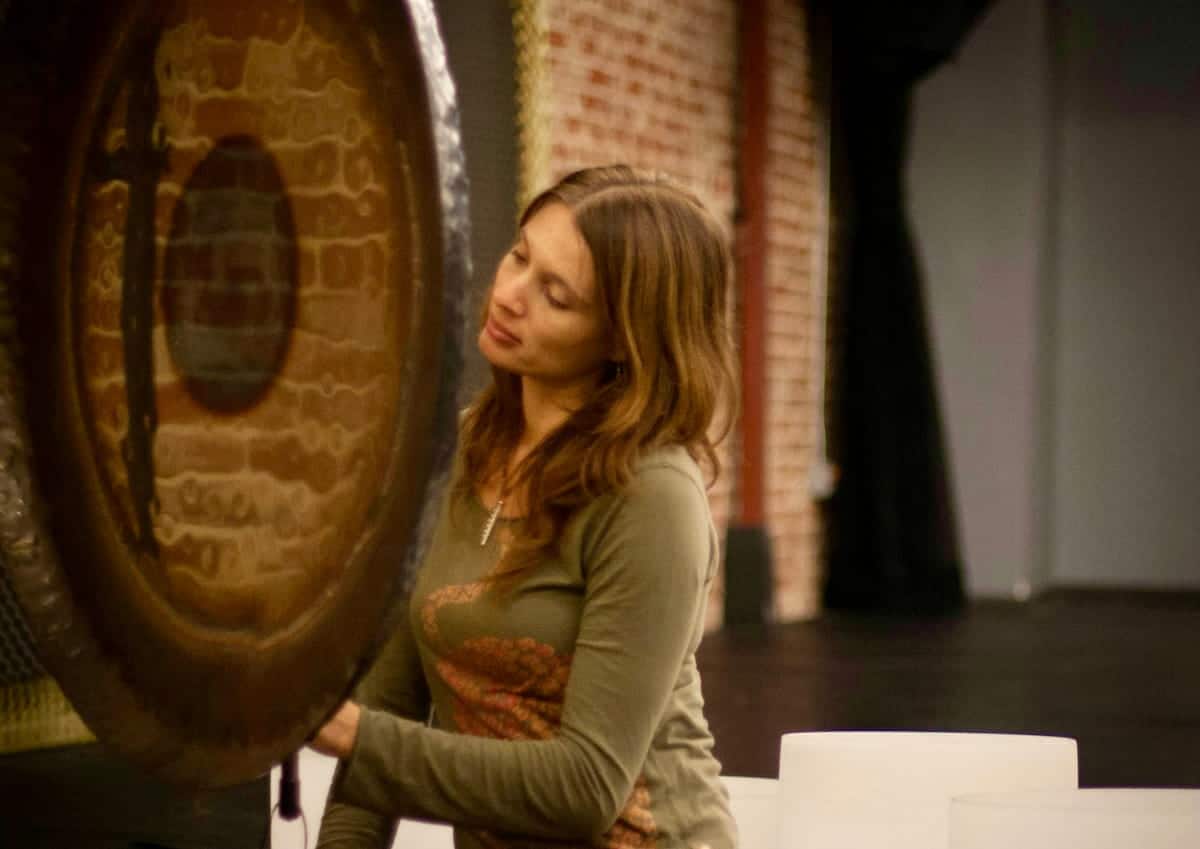
Buying instruments is easy. Playing them in a way that creates a genuinely effective experience for a roomful of people is a skill that requires real training and practice. Many new practitioners skip this step, relying only on intuition or watching a few YouTube videos. Poor playing leads to poor experiences, and poor experiences do not generate repeat business, regardless of how nice the space looks or how much the practitioner paid for their bowls.
They cannot answer basic questions.
When a potential client asks what a sound bath actually does, the answer cannot be vague new-age terminology about vibrations and energy fields. People are spending their time and money, and many want a clear, honest answer. Practitioners who can explain the experience in plain language build trust. Those who cannot run the risk of losing people at the first question.
They base their business on healing claims.
This is one of the most common and damaging mistakes. If your marketing promises healing, you will attract people with serious expectations and no reliable way to meet them. You will also attract unnecessary scrutiny. A sustainable sound bath business is built on the quality of the experience and the benefits of regular relaxation and stress reduction, not medical or therapeutic claims you cannot substantiate.
They copy other people’s content.
There is a lot of recycled language in the sound bath world. Practitioners borrow phrases, descriptions, and marketing copy from each other until everything sounds the same. Clients notice this, even if they cannot articulate why. Your business needs to reflect your actual voice, your actual experience, and your actual point of view. That is what builds a following.
They avoid the business side.
Many people are drawn to this work because of how it makes them feel, not because they want to run a business. But positive intentions do not fill rooms. You need to show up consistently, communicate clearly with your audience, handle bookings and payments professionally, and take the practical actions that produce results. Thinking good thoughts can help, but it is not a solid business strategy.
They get the pricing wrong.
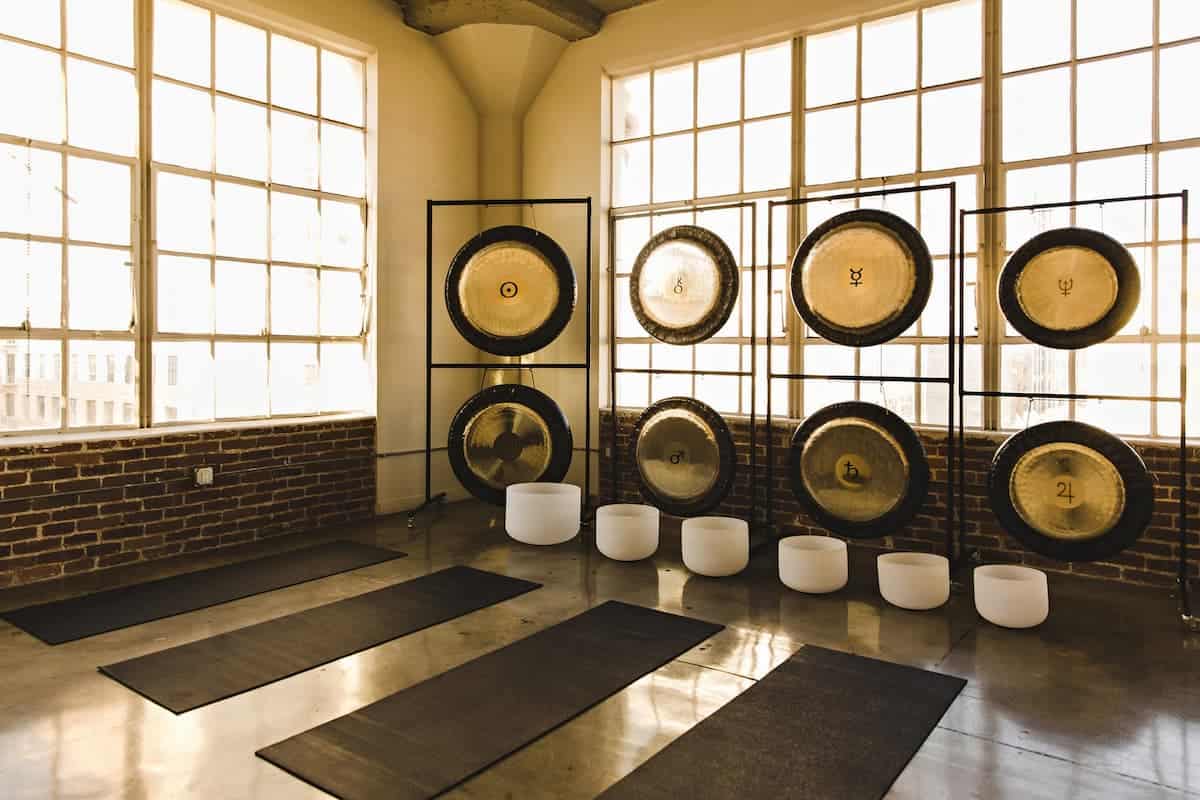
Undercharging is more common than overcharging, but both are problems. Pricing too low signals low quality and attracts clients who do not value the experience. Pricing too high for your current skill level and market creates expectations you may not yet be able to meet, and can lead to resentment or negative reviews. At minimum, they won’t come back. The right price depends on your location, your experience, and the quality of your setup. A sound bath with three crystal singing bowls is much different than one with three gongs and seven crystal singing bowls. The price should reflect that difference.
They do not set clear boundaries.
Without clear policies on refunds, late arrivals, and what the experience includes and does not, client relationships can quickly become complicated. Resentment can build, and many wellness practitioners burn out and quit because of this. Energy that should go into the work instead goes into managing difficult situations. Clear, professional boundaries protect both you and your clients. Top challenges for new sound bath practitioners.

What the Practitioners Who Succeed Do Differently
Practitioners who build sustainable businesses tend to do the following.
They develop genuine playing skills.
Strong playing skills come first because everything else depends on that. If the experience is not good enough that people want to return, no amount of marketing or business strategy will save you. Invest in proper training, practice consistently, and keep developing your technique over time.
They invest in quality instruments, and enough of them.
Instrument quality makes a real difference in what participants experience. Two sound baths of equal length, one played with three crystal bowls and one played with three gongs and several crystal bowls, are not the same experience. The first may be pleasant. The second is immersive. A $300 set of crystal bowls found online and a professional-grade set are not interchangeable, and participants can feel the difference even if they cannot articulate why. Better instruments produce a fuller sound field, sustain longer, and give you more to work with across an hour-long session. That translates directly into the kind of experience people want to return to.
They offer a consistent service.
Pick a format that works and deliver it well every time. A good sound bath training will teach a format that works. Clients should know what they are coming for. Consistency allows people to track their progress, builds word of mouth, and makes your marketing easier because you have something specific to describe.
They educate their clients.
The practitioners who retain clients are the ones who help people understand why regular attendance matters. It does not have to be complicated. A simple explanation of how the nervous system responds to regular sound bath practice, or a straightforward conversation about what clients tend to notice after attending consistently, is enough to shift someone from a one-time visitor to a regular attendee.
They price based on value and location.
Research what comparable wellness services charge in your area. Price relative to your experience and the quality of your instrument setup. Raise your prices as your skills and reputation develop. Do not apologize for charging for a professional service.
They treat it like a business.
This means holding consistent events, posting a schedule that’s easy to find, responding to client communications, posting clear policies, and taking practical steps to increase attendance. Social media posts, an email list, a website, relationships with yoga studios and wellness centers that host events, and showing up reliably are not optional extras. They are part of the work.
They build on the service, not the story.
Successful sound bath businesses focus on the quality of their service. Clients return because of their own positive experiences, not because of the practitioner’s personal story or spiritual background. When people have a great experience, they want to come back.
A Note on Income
What you can earn depends on your market, your pricing, your venue size, and how consistently you work. Group sizes vary widely in this field. Some sessions have two people, others have 50. A practitioner just building their audience, charging $35 to $45 per person, averaging 10 attendees per event, and running 2 events per week, generates roughly $2,800 to $3,600 per month before expenses. That number grows as attendance builds.
There is more than one way to structure a sound bath business. Some practitioners choose smaller, more intimate venues and charge a higher per-person rate, upwards of $55 per person, while others work in larger spaces with lower pricing and higher volume. Our studio, The Gong Room™ near Joshua Tree, CA, accommodates up to 10 people per event, so we charge a higher per-person rate. I have played sound bath events with over 100 people and some with just 2 people. Both are part of building something real over time.
Charge based on your location, experience, setup, and quality. Private sound baths can add income but may be sporadic. A starting price for one-on-one or two-person sessions is around $150, and for group private events, around $300. Corporate bookings and retreats often start at higher rates.
None of that happens without the foundation: a reliable service that people want to return to, delivered by someone who knows how to play. How to become a sound bath practitioner.
Final Thoughts
Yes, you can make a living playing sound baths. The practitioners who do have one thing in common: they took the work seriously enough to develop real skill, build a real business, and give their clients a genuine reason to come back.
Those who struggle are usually not lacking talent or dedication. They are missing a clear framework for what they are offering, why it works, and how to run a sustainable business around it. Getting that foundation right from the start is what separates the practitioners who build something lasting from those who do not. Ready to build your foundation? Enroll in our online certification course today.
Related reading: Online vs. In-Person Training | Difference between Sound Baths, Sound Healing, and Sound Therapy
